🔥 Security+ Journey — Day 2
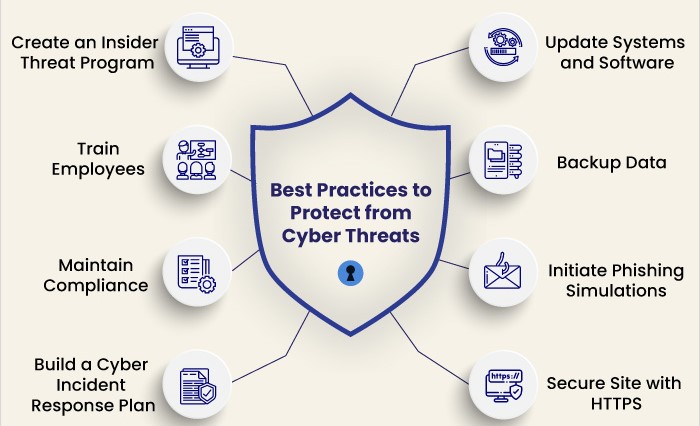
🔥 Security+ Journey — Day 2: Deep Dive into Threats, Vulnerabilities, and Confidentiality
Today, in my Security+ journey on Udemy, I explored some of the most fundamental — and critical — concepts in cybersecurity: threats, vulnerabilities, and confidentiality. Understanding these helps security professionals assess and manage risk effectively, keeping systems and data safe from attackers.
---
⚠️ Threats & Vulnerabilities — The Building Blocks of Risk
A threat is anything that could potentially cause harm to information systems. Threats can arise from:
Natural disasters
Cyber-attacks
Data integrity breaches
Disclosure of confidential information
On the other hand, a vulnerability is a weakness in a system’s design or implementation that can be exploited by a threat. Common causes include:
Software bugs
Misconfigured software
Missing security patches
Improperly protected devices
Lack of physical security controls
👉 Key takeaway: Risk only exists where threats and vulnerabilities intersect. If there’s a threat but no vulnerability to exploit, there’s no actual risk — and vice versa.
---
🔎 Risk Management — Minimizing Impact
Risk management is all about identifying ways to reduce the likelihood and impact of potential negative outcomes. The ultimate goal? To protect data and systems while maintaining business operations smoothly.
---
🕵️♂️ Mastering Confidentiality
Confidentiality means protecting information from unauthorized access or disclosure. It is crucial for:
Protecting personal privacy
Maintaining a business advantage
Achieving regulatory compliance (such as GDPR, HIPAA, etc.)
To enforce confidentiality, five primary methods are used:
1️⃣ Encryption
Converting data into a code to prevent unauthorized access.
2️⃣ Access Controls
Defining user permissions and ensuring only authorized personnel can view or modify sensitive data.
3️⃣ Data Masking
Obscuring specific data fields to protect sensitive information, while keeping it usable for authorized tasks.
4️⃣ Physical Security Measures
Safeguarding both physical (e.g., paper files) and digital information stored on devices or servers.
5️⃣ Training & Awareness
Educating employees on best practices to prevent accidental data exposure and reinforce a security-first mindset.
---
💡 My Takeaway Today
Day 2 emphasized that security is not just about strong passwords or fancy firewalls — it’s a holistic approach to managing threats, patching vulnerabilities, and preserving confidentiality.
I’m excited to keep building on these foundations and dive into more advanced topics tomorrow! 🚀: Deep Dive into Threats, Vulnerabilities, and Confidentiality………..


